


“Only a slave measures their worth by productivity.”
Big Tech wants you to believe in a carefully engineered future: AI agents handling most of your mundane tasks so you can focus on creative work. But what if this vision is nothing more than hot air? What if it’s bunch of empty promises designed to concentrate wealth among a few companies while gradually eroding human cognitive capacity and increasing dependence on the very technology that was supposed to free us from tedious labor?
The reality is not black and white. The truth lies in the details. To understand it, we need to examine the downsides of AI alongside its supposed benefits.
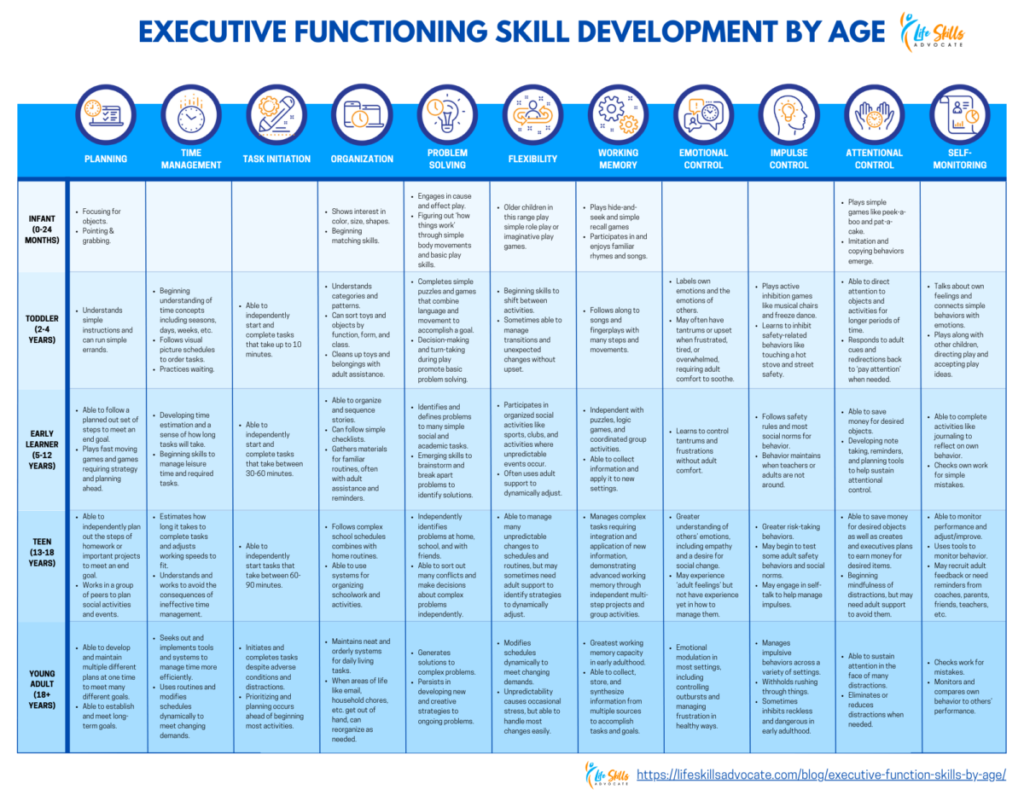
Point A) Humans were evolved over millions of years of habit formation
From the moment animals are born, instinct takes over. Baby horses struggle to stand on all fours. Baby goats immediately attempt to jump. These behaviors are encoded into their DNA.
Human biology operates the same way. Movement, speech, and problem solving emerge as biological systems develop. Over millions of years, humans evolved mechanisms for automating repeated tasks through internalization, habit formation, and cognitive structuring.
Here is the critical issue: we are attempting to offload this biological function to machines in the name of productivity without fully considering the implications.
A task begins as conscious, effortful, and explicit. Through repetition, it becomes automatic, implicit, and embedded in behavior. Eventually, it becomes intuitive, part of how you operate in the world.
When this intuition is outsourced to a machine, you may gain short term efficiency by avoiding the task. However, anyone relying on that same system without having formed the underlying cognitive intuition never develops it in the first place. The environmental feedback loop breaks. Neurological atrophy follows. Over generations, this results in hollow competence and a brittle civilization.
The worst part is this: by outsourcing cognitive formation to machines, you transfer long term value creation to the companies that own them while slowly pushing humans out of the marketplace altogether.
Point B) Fact checking and hallucinations add hidden workload
Ai does not think. It predicts. It fabricates.
By statistically remixing human knowledge, Ai systems generate outputs that require constant fact checking, debugging, and refinement, performed by the same humans who clicked “generate” without a second thought.
Recent studies have shown that software engineers often spend more time debugging “vibe coded” programs than they would have spent writing the code themselves.
Additionally, Jevons Paradox applies here: increased efficiency often leads to increased consumption. Because AI lowers the barrier to entry, we simply produce more. The result is a flood of low quality output that creates noise rather than value, ultimately becoming a net drag on organizational efficiency.
Point C) Forced AI integration is information theft
We tend to forget the Orwellian predictions of 1984. AI companies are effectively harvesting knowledge for training while simultaneously pushing the same workforce they claimed to empower out of the market.
This is how the Trojan horse works: AI companies first dazzle the public with promises of increased productivity and reduced effort. Users willingly provide data by performing their jobs through these systems. The AI trains on that information, learns the task, and eventually replaces the user along with their expertise and understanding of how the outcome is achieved.
A small number of companies control AI automation. These same companies lobby for weaker regulation and government subsidies in Western markets. Exploiting the workforce becomes the primary method for acquiring the data required to automate it away.
Conclusion) Blindly following Ai narrative is a danger to civilization
The real danger is not consumer AI. It is industrial, governmental, and intelligence grade AI operating far beyond public visibility. While people argue about chatbots, entire labor markets are being automated by a handful of corporations that also control the infrastructure, data, and machines.
Without enforced regulation and clear boundaries, this trajectory does not lead to liberation. It leads to a system where cognitive skill is stripped from humans, consolidated into machines, and monetized by those who own them while the displaced are offered dependency in the form of convenience, subsidies, and managed contentment.