

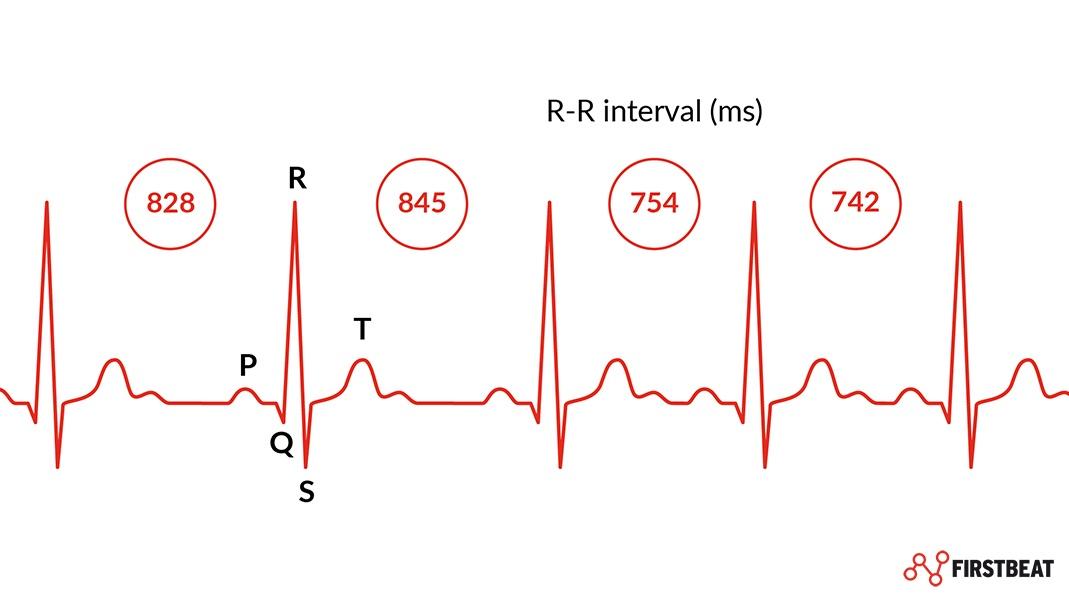
In the grand symphony of life, our hearts beat out a unique rhythm that reflects our innermost state of being. For decades, we believed that a steady, metronomic heartbeat was the sign of perfect health. However, science has revealed a paradox: a healthy heart does not beat with robotic precision. Instead, it exhibits small, naturally occurring variations in the length of time between beats, a phenomenon known as Heart Rate Variability (HRV).
HRV is a subtle yet powerful indicator of our physical, emotional, and mental well-being. It acts as a real-time snapshot of the body’s ability to handle stress, recover from challenges, and maintain balance. By understanding and optimizing this hidden metric, we can gain a deeper understanding of ourselves and revolutionize our approach to health and resilience.
The Science of Resilience: The Autonomic Nervous System
To understand HRV, one must look at the body’s control center: the autonomic nervous system (ANS). The ANS manages vital functions like breathing, digestion, and heart rate, and it operates through two main branches that act like a seesaw:
- The Sympathetic Nervous System (SNS): Often called the “fight or flight” system, this is the body’s gas pedal. It triggers during stress or exercise, increasing heart rate and preparing the body for action.
- The Parasympathetic Nervous System (PNS): Known as the “rest and digest” system, this acts as the brake. It slows the heart rate and facilitates recovery and healing.
HRV is the best indicator of how well these two systems are working together. A high HRV suggests a healthy balance and a resilient system capable of switching quickly between stress and recovery. Conversely, a low HRV indicates that the body is struggling to cope, often stuck in a state of sympathetic overdrive or chronic stress.
This balance is largely influenced by the Vagus nerve, which transmits parasympathetic signals from the brain to the heart. Higher vagal tone is a strong predictor of higher HRV, better cardiovascular health, and reduced stress.
HRV as a Window into Physical and Mental Health
HRV is more than a fitness metric; it is a “vital sign” of resilience. Its applications span across cardiovascular health, chronic disease management, and mental well-being.
Cardiovascular and Chronic Health: Research has consistently shown that low HRV is associated with a higher risk of heart disease, arrhythmias, and sudden cardiac death. In the famous Framingham Heart Study, researchers identified a strong correlation between low HRV and increased mortality risk, even in people without obvious heart disease symptoms. Furthermore, low HRV is linked to chronic conditions like type 2 diabetes and hypertension, serving as an early marker of systemic inflammation and autonomic dysfunction.
Mental Health and Stress: HRV also serves as a biological window into the mind. Mental health conditions like anxiety, depression, and PTSD are deeply intertwined with the body’s physiological responses.
- Anxiety: Individuals with anxiety often show lower HRV, reflecting a nervous system stuck in a persistent “fight or flight” mode.
- Depression: Depression is associated with a blunted parasympathetic response and lower HRV, which often correlates with the severity of symptoms.
- Allostatic Load: HRV measures “allostatic load”—the cumulative wear and tear on the body caused by chronic stress. Tracking this allows individuals to spot burnout before it results in physical illness.
Optimization: Sleep, Nutrition, and Exercise
Because HRV fluctuates based on lifestyle, it provides a roadmap for optimizing daily habits.
Sleep is the body’s natural recovery tool, and the relationship between sleep and HRV is a two-way street. Deep sleep and REM sleep are critical for physical repair and emotional processing. During deep sleep, the parasympathetic system dominates, raising HRV. Poor sleep hygiene—such as inconsistent schedules or blue light exposure, can suppress HRV, leaving the body unrecovered.
Fueling the Heart Nutrition directly influences the nervous system. Diets high in processed foods and sugar can cause inflammation and blood sugar spikes, which lower HRV. Conversely, specific nutrients support a resilient heartbeat:
- Omega-3 Fatty Acids: Found in fish like salmon, these reduce inflammation and improve cardiovascular function.
- Magnesium: Known as the “calming mineral,” it supports muscle recovery and parasympathetic activation.
- Antioxidants: Found in berries and leafy greens, they combat oxidative stress.
- Hydration: Dehydration strains the cardiovascular system and lowers HRV.
Athletic Performance: For athletes, HRV is a game-changer for preventing overtraining syndrome. By tracking recovery, athletes can train smarter, not harder. A low HRV morning reading might suggest the need for a rest day, while a high reading signals readiness for peak performance.
Taking Control: Breathing, Biofeedback, and Technology
One of the most effective ways to acutely boost HRV is through breathwork. Breathing exercises directly stimulate the vagus nerve, activating the body’s relaxation response.
- Diaphragmatic Breathing: Also known as belly breathing, this shifts the body into a parasympathetic state.
- Box Breathing: A rhythmic technique (inhale 4, hold 4, exhale 4, hold 4) used to reduce stress and enhance focus.
- Biofeedback: Using real-time data to “train” the nervous system has shown promise in treating conditions like PTSD and anxiety.
Today, wearable technology, such as chest straps, smart rings, and watches, has made HRV tracking accessible to everyone. These devices use photoplethysmography (PPG) or electrocardiogram (ECG) sensors to measure the time intervals between heartbeats, providing users with actionable data on their recovery and stress levels.
The Future of Personalized Health
As we look forward, the integration of Artificial Intelligence (AI) with HRV data promises a new era of predictive medicine. AI algorithms can analyze long-term HRV trends to detect early warning signs of chronic disease, metabolic disorders, or mental health decline before symptoms fully manifest.
Ultimately, HRV is a tool for self-awareness. It allows us to move from reactive healthcare to proactive health management. By listening to the subtle rhythms of our hearts, we can make informed choices about how we eat, sleep, move, and breathe. In doing so, we cultivate a life of greater balance, vitality, and resilience, living in true harmony with our nervous system.