
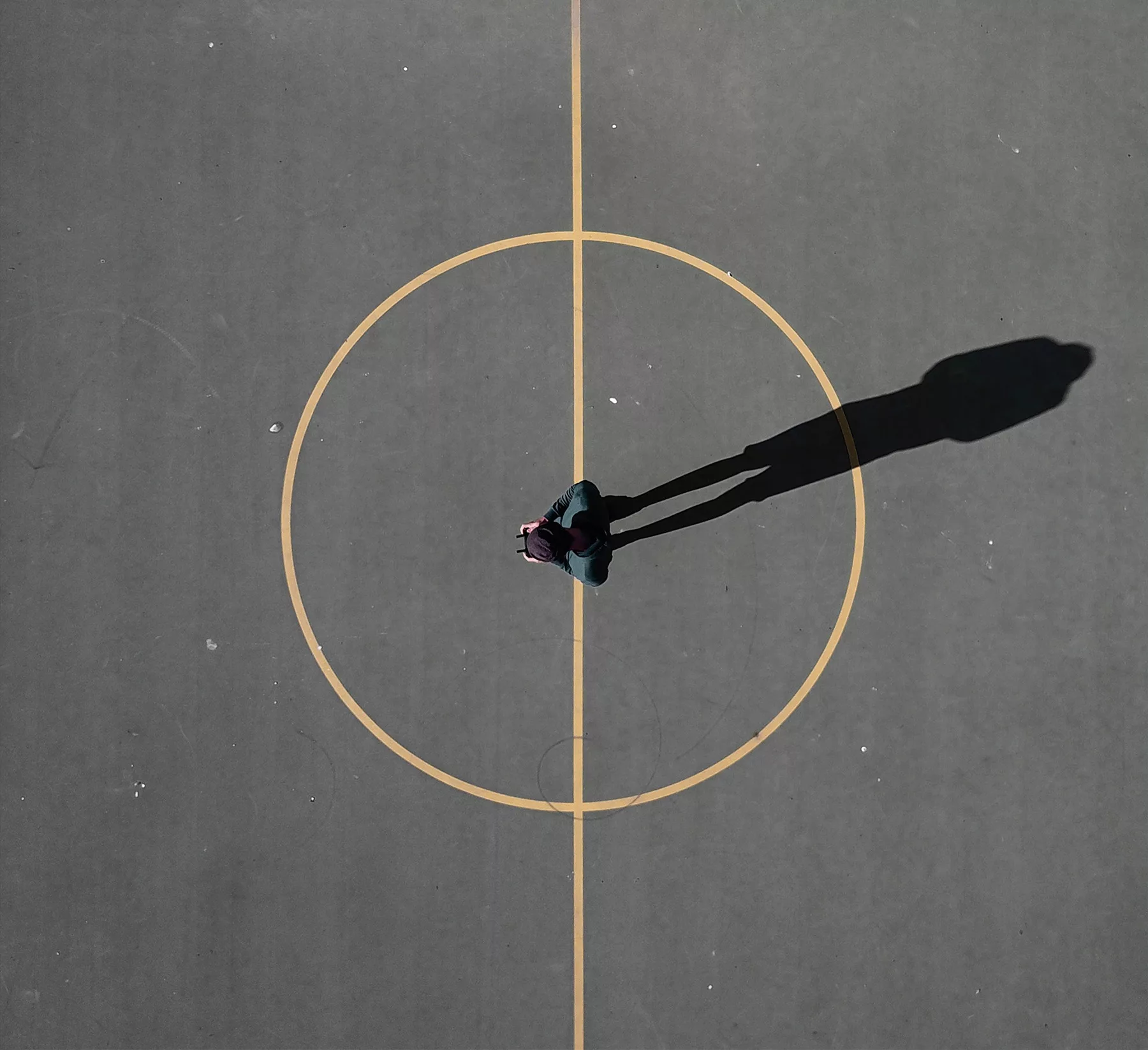
It is a feeling familiar to almost everyone: the sinking sensation in your gut when you know you should be working, but instead, you are cleaning a desk that is already clean, scrolling through a feed, or staring out the window. Society has ingrained a simple, ruthless message in us: waiting is failure, and acting is success. We are taught that procrastination is a defect born of laziness or a lack of discipline. But what if we have been looking at it all wrong? What if the act of waiting is actually a sophisticated tool for creativity and decision-making?
History suggests that some of humanity’s greatest achievements were not the result of a relentless hustle, but rather the product of “strategic delay”. Leonardo da Vinci, for instance, spent 16 years working on the Mona Lisa, frequently stepping away to study botany or anatomy. He wasn’t avoiding the work; he believed that “great works required time to breathe”. Today, science and history alike are beginning to vindicate the procrastinator, revealing that doing nothing is often the most productive thing you can do.
The Science of the “Incubation Effect”
The most compelling argument for procrastination lies in how the human brain processes complex problems. When we step away from a task, entering a state of “active non-action”, we aren’t actually stopping work. We are entering a phase known as “incubation”.
Cognitive psychology reveals that when you consciously stop focusing on a problem, your brain’s “default mode network” (DMN) takes over. This network operates in the background, making connections between disparate ideas that your conscious, hyper-focused prefrontal cortex cannot access. This is why Archimedes had his “Eureka!” moment in a bathtub, not at a desk , and why Paul McCartney woke up with the melody for “Yesterday” fully formed in his head.
By delaying the actual execution of a task, you allow your subconscious to untangle the knots. As studies suggest, people who step away from a problem often outperform those who stay glued to it because the break allows them to bypass mental roadblocks.
Active Procrastination vs. Avoidance
It is crucial, however, to distinguish between two types of delay. There is “passive procrastination,” which is driven by fear, indecision, and the avoidance of discomfort. This is the destructive kind that leads to stress and subpar work.
In contrast, “active procrastination” is a deliberate choice. Active procrastinators delay action not because they are paralyzed, but because they intuitively understand that the timing isn’t right yet. Charles Darwin is a prime example; he waited over 20 years to publish On the Origin of Species. He wasn’t slacking off; he was gathering data and letting his theory mature so it would be irrefutable.
Similarly, Steve Jobs was known for delaying product launches at Apple until they were perfect. While competitors rushed, Jobs waited. This “strategic delay” allowed Apple to avoid the pitfalls of releasing half-baked technology—a mistake Samsung made with the Galaxy Note 7, where the rush to beat the iPhone led to a disastrous recall.
Emotional Intelligence and the Power of the Pause
Procrastination also serves as a vital regulator of our emotions. In the heat of the moment,whether during a business negotiation or a personal argument,our “amygdala” (the brain’s emotional center) can hijack our rational thinking. Immediate action in these states often leads to regret.
“Waiting for clarity” is a hallmark of emotional intelligence. It allows the emotional dust to settle so the rational brain can take over. Warren Buffett utilizes this by sitting on investments for years, waiting for the perfect market conditions rather than reacting impulsively to fluctuations. Abraham Lincoln famously delayed issuing the Emancipation Proclamation until the political and military timing ensured it would have the maximum impact. In these contexts, delay isn’t hesitation; it is wisdom.
The 11th-Hour Boost
For those who genuinely do their best work right before a deadline, there is a physiological explanation. The “Yerkes-Dodson Law” suggests there is an optimal level of stress for peak performance. When a deadline looms, the brain sheds distractions and enters a state of hyperfocus, often fueled by adrenaline.
Frank Lloyd Wright famously designed the iconic house Fallingwater in a mere two hours, while his client was driving to the studio to see the plans Wright hadn’t started yet. The pressure forced his brain to synthesize months of background thought into a single burst of genius. While relying solely on adrenaline can lead to burnout , understanding how to harness this “deadline-induced flow” is a legitimate productivity strategy.
Embracing “Slow Success”
Ultimately, accepting procrastination requires rebelling against the modern cult of speed. We live in a world that tells us to “move fast and break things,” yet deep success often requires the Taoist principle of wu wei, or “effortless action”. This philosophy posits that one should align with the natural flow of events rather than forcing them.
Just as water flows around obstacles rather than fighting them, successful thinkers use delay to find the path of least resistance and highest impact. By redefining success not as a race to the finish line but as a process of “slow success,” we can prioritize long-term growth over short-term wins.
Conclusion
The next time you find yourself putting off a major decision or staring blankly at a wall instead of writing, do not immediately berate yourself. You might not be wasting time; you might be incubating a masterpiece. Whether it is refining a theory like Darwin, perfecting a product like Jobs, or simply cooling down before sending an angry email, the art of the pause is powerful.
Productivity is not always about constant motion. Sometimes, the smartest move you can make is to stop, wait, and let the genius of the 11th hour take over.