
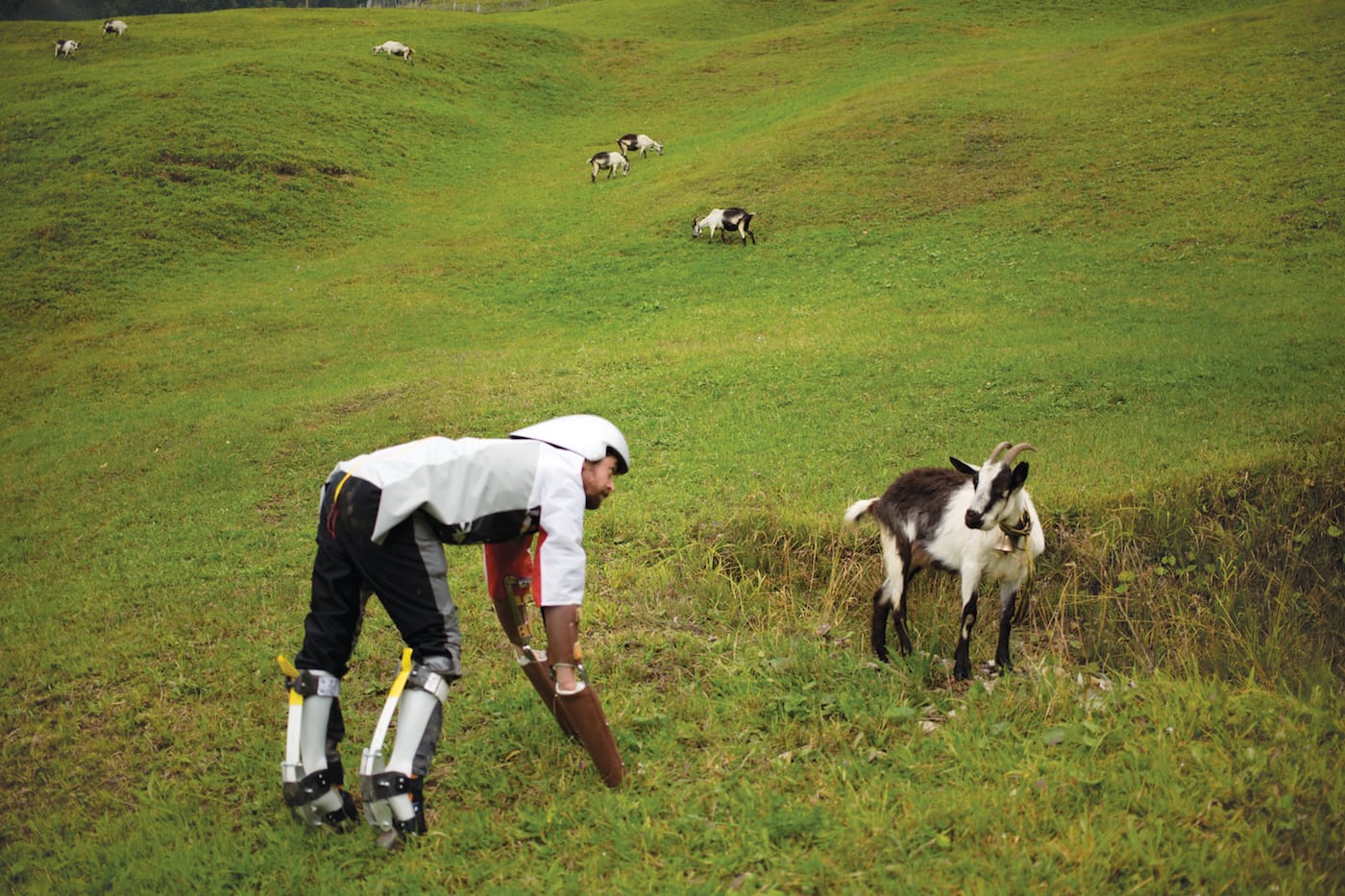
Picture this: You’re sitting at a desk, bathed in the artificial glow of a computer screen, your phone buzzing with notifications that demand your immediate attention. You are “productive,” “civilized,” and likely exhausted. Somewhere deep down, there is a gnawing sensation—an itch that can’t be scratched by a promotion, a new gadget, or a vacation. That sensation is your inner animal, stifled by a modern world that was not designed for your biology .
The truth is, humans are animals. We evolved to roam plains, climb mountains, swim in rivers, and live by the rhythm of the sun and seasons . Yet, we have traded our wild roots for cubicles, credit scores, and a sedentary existence. We have become domesticated, and in the process, we have lost touch with the instincts, vitality, and simplicity that once defined us.
It is time to reverse the damage. We don’t need to abandon civilization entirely or run off to live in a cave, but we do need to “rewild” our spirits . By looking to the animal kingdom, we can relearn how to live with authenticity, presence, and freedom. Here is how to unleash the beast within.
Escaping the Cage of Domestication
The modern world is essentially a self-imposed zoo. We have built walls around our cities and, more dangerously, around our minds. We have traded the uncertainty of the wild for the safety of routine, but this safety has come at the cost of our resilience . Animals in the wild do not suffer from existential crises or question their worth; they simply are. To break free, we must recognize that while civilization provides comfort, it often cages our potential. We must stop measuring our worth by external standards, money, status, likes, and return to a life defined by experience and instinct.
Trust Instinct Over Intellect
Animals do not hesitate. A lion does not debate the pros and cons of chasing a gazelle; it acts. Humans, however, have become masters of overthinking. We rely so heavily on logic and data that we have silenced our intuition. We suffer from analysis paralysis, agonizing over decisions rather than trusting our gut .
Rewilding requires us to balance our intellect with instinct. Your gut feeling is not random; it is a form of ancient intelligence honed over millions of years. To reclaim this power, we must practice listening to our bodies and trusting our immediate senses without feeling the need to rationalize every move .
The Art of Rest and Natural Rhythms
In our culture, “busyness” is worn as a badge of honor, and rest is often viewed as laziness. But in the animal kingdom, rest is a survival strategy. A lion may spend up to 20 hours a day resting to conserve energy for the hunt. Animals live in perfect sync with natural rhythms, circadian cycles, seasons, and energy ebbs and flows .
We, conversely, fight these rhythms. We use artificial light to stay awake past sunset and caffeine to push through fatigue. To live wildly is to honor the body’s need for rest. It means rising with the sun, winding down when it’s dark, and accepting that we have seasons of high energy and seasons of hibernation.
Embracing Discomfort and Movement
Modern life is a “comfort trap.” We have temperature-controlled rooms, food delivery, and endless entertainment, all designed to keep us comfortable. But growth only happens through discomfort. Animals thrive because they are constantly adapting to challenges, cold, heat, hunger, and physical exertion .
To reclaim our vitality, we must voluntarily embrace discomfort. This could mean taking cold showers to build resilience, fasting to reconnect with hunger, or engaging in physical challenges . Furthermore, we must reclaim our physicality. We were not born to sit in chairs for eight hours a day. We were born to run, climb, squat, and play . Movement should not be a scheduled “workout” but a joyful, constant expression of life.
The Power of the Pack
Humans are social animals, yet we are lonelier than ever. We have traded face-to-face connection for digital interactions, leaving us emotionally malnourished. Wolves, elephants, and chimpanzees understand that survival depends on the pack. They rely on community for protection, support, and joy .
Rewilding means prioritizing real, physical connection. It means showing up for your “pack,” engaging in mutual support, and understanding that independence is not the ultimate goal, interdependence is .
Integrating the Wild and the Civilized
The goal of rewilding is not to reject the modern world, but to integrate the wisdom of the wild into our daily lives. We can hold down jobs and use technology while still honoring our primal needs. We can be “hybrid” creatures, capable of navigating a city but grounded in nature.
This integration looks like spending time in “untouched” nature to reset our nervous systems. It looks like simplifying our possessions because we realize, like animals, that we only need the essentials to be happy. It looks like making time for unstructured play, reclaiming our sense of wonder, and letting go of the need to control every outcome.
Conclusion
Deep within you, the wild self is waiting. It is the part of you that knows how to live without anxiety, how to move with power, and how to rest without guilt. It is the part of you that is free. By peeling back the layers of domestication and listening to the ancient wisdom in your blood, you can break free from the cages of modern expectation. You can be the wild spark in a tame world.
The wild is calling. It is time to answer.