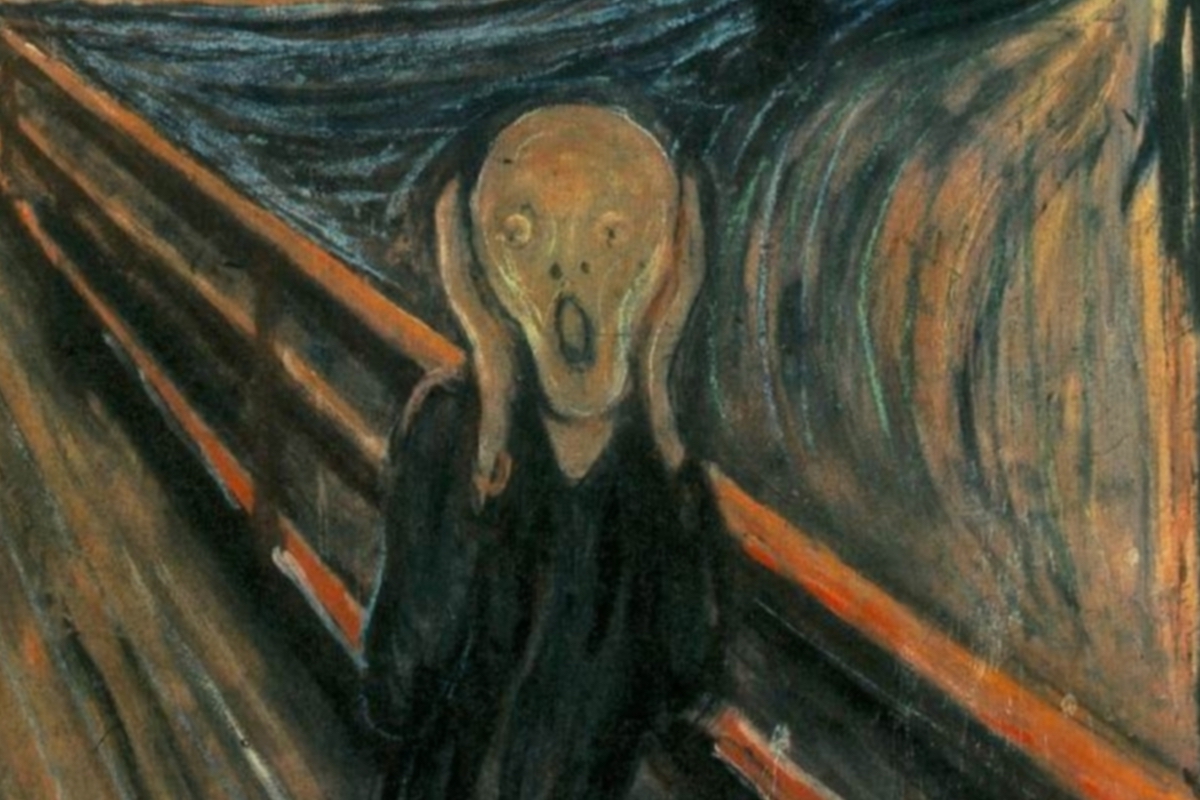


Imagine watching a politician at a press conference. The facts are clear, the evidence is compelling, yet as they speak, the atmosphere shifts. They pivot, twisting the narrative until you find yourself second-guessing the facts you were once sure of. This is the world of psychological manipulation, a game of perception where realities are blurred and truths are restructured for power and control.
Whether in personal relationships, professional negotiations, or political discourse, the art of influence is timeless. By understanding the mechanics behind these tactics, from gaslighting to the subtle art of “invisible influence,” we can better navigate a world where the line between truth and fiction is increasingly difficult to discern.
The Erosion of Reality: Gaslighting
At its core, gaslighting is a tactic designed to make you doubt your own mind. It preys on the fundamental human need to trust our own perceptions. It does not usually start with a grand declaration but creeps in slowly, utilizing confusion and dependence to dismantle a victim’s confidence.
History offers stark examples of this on a macro scale. Stalin’s Great Purge was a masterclass in gaslighting; he didn’t just eliminate enemies, he altered the historical record itself. By erasing figures like Nikolai Yezhov from photographs, Stalin created an environment where citizens doubted their own memories, fostering a profound sense of cognitive dissonance.
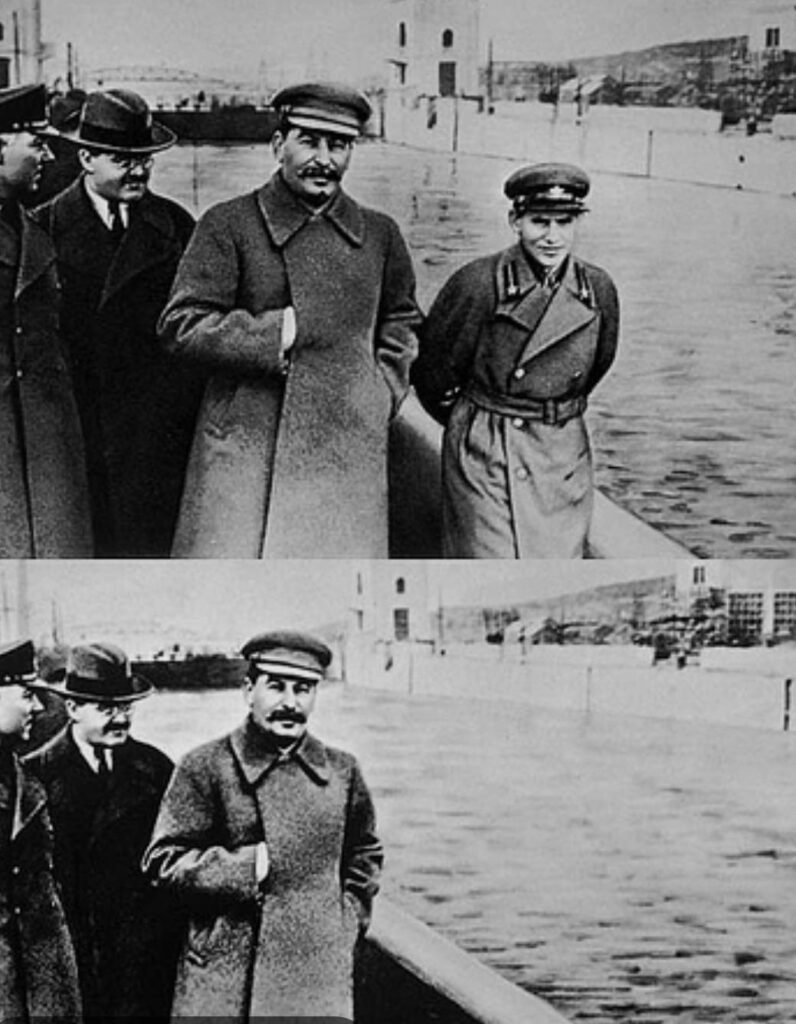
There once stood a man, then he wasn’t
In interpersonal dynamics, gaslighters employ specific techniques to achieve this distortion:
- Trivialization: Downplaying the target’s feelings to make them feel irrational.
- Counter-Questioning: Answering questions with questions to deflect blame and shift the focus back to the victim.
- Rewriting Narratives: Consistently denying past conversations or events until the victim relies on the manipulator for the “truth”.
The Mirror Effect and Gentle Persuasion
Not all influence is overtly aggressive. Some of the most effective manipulators use the “Mirror Effect,” reflecting a target’s desires and values back at them to build instant rapport. Napoleon Bonaparte used this to great effect, aligning his personal ambitions with the desires of the French Directory and his soldiers, making them believe that supporting him was the key to fulfilling their own goals. By mirroring emotional states and body language, an influencer creates a bond of trust that lowers defenses.
Similarly, “gentle persuasion” relies on soft power rather than force. Mahatma Gandhi utilized this during the Salt March, using moral example and nonviolent resistance to win hearts and minds rather than defeating the British through combat. In the modern era, companies like Apple use gentle persuasion by framing products not as tools, but as lifestyle enhancements, planting the seed of desire through “priming” and suggestion.
The Power of Silence and the Double Bind
In the arsenal of influence, what remains unsaid is often as powerful as the spoken word. Silence can create tension that compels others to speak, often revealing more than they intended. Abraham Lincoln used strategic silence during debates to appear thoughtful and controlled, while his opponent, Stephen A. Douglas, over-explained and appeared aggressive. Similarly, Napoleon would use prolonged silence in negotiations to unnerve his opponents, forcing them to make concessions just to fill the void.
Another subtle tactic is the “double bind”, giving a target two choices that both lead to the manipulator’s desired outcome. Louis XI of France was a master of this, offering rivals choices that seemed to offer autonomy but actually trapped them in a no-win scenario. By creating the illusion of choice, the manipulator avoids resistance while ensuring control.
Rewriting the Narrative
Humans are natural storytellers, and those who control the narrative control reality. Winston Churchill famously rewrote the narrative of World War II during Britain’s darkest hours, reframing potential defeat as a heroic stand for freedom, which galvanized the nation. Conversely, Adolf Hitler used narrative manipulation to create a “stab-in-the-back” myth, reframing Germany’s WWI defeat as a betrayal by internal enemies to justify his rise to power.
This power lies in “framing”, highlighting specific details to guide interpretation. By controlling the emotional arc of a story, from fear to hope, an influencer can bypass logic and appeal directly to emotion.
The Emotional Puppet Master
Skilled influencers act as emotional puppet masters, tugging on three specific strings: fear, hope, and desire.
- Fear: The great immobilizer. Julius Caesar used the fear of civil war to justify his seizure of power, presenting himself as the only solution to chaos.
- Hope: The motivator. Scammers and politicians alike dangle the promise of a better tomorrow to keep targets invested.
- Desire: The deep drive. By tapping into a person’s desire for status, love, or purpose, manipulators can steer decisions by making the target feel seen and understood.
Influence Without Strings
The ultimate form of influence leaves no trace. This “invisible influence” allows the target to believe they are acting on their own free will. Talleyrand, a French diplomat who survived five different regimes, mastered this by planting seeds of doubt and manipulating information behind the scenes, effectively shaping outcomes without ever appearing to lead.
This method relies on priming and gradual escalation (the foot-in-the-door technique), where small commitments lead to larger ones without the target realizing they are being guided.
The Ethics of Power
Understanding these mechanics is not just about defense; it is about responsibility. Influence is a neutral force, like fire; it can warm or it can destroy. The line between persuasion and manipulation is defined by intent and the preservation of the other person’s autonomy.
True mastery of influence involves knowing when not to use it. There are moments when the most ethical choice is to withhold your power, allowing others the space to struggle, decide, and own their choices. As seen in the personal story of “Jon” and “Olivia,” sometimes the greatest gift one can offer is not guidance, but the space for another person to find their own truth. When we respect the autonomy of others, we build trust and integrity, ensuring that influence uplifts rather than exploits.