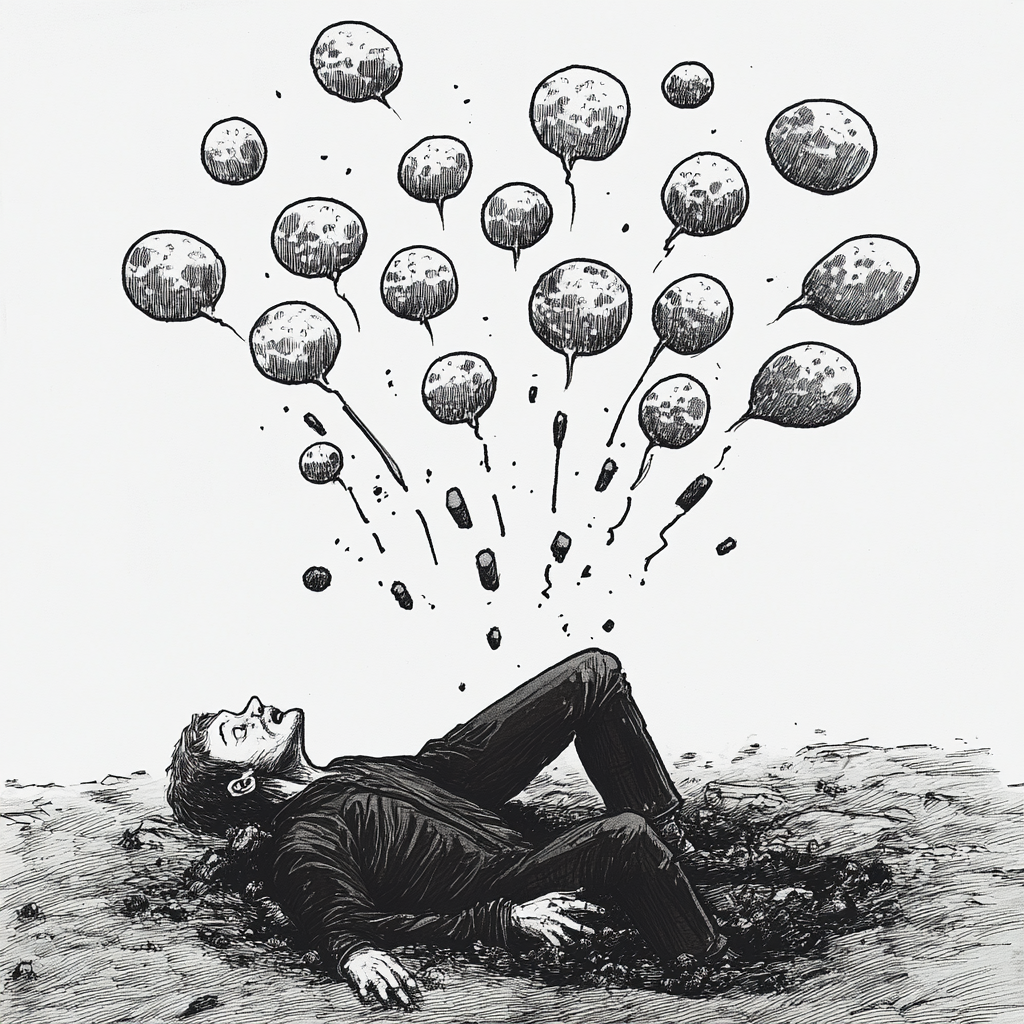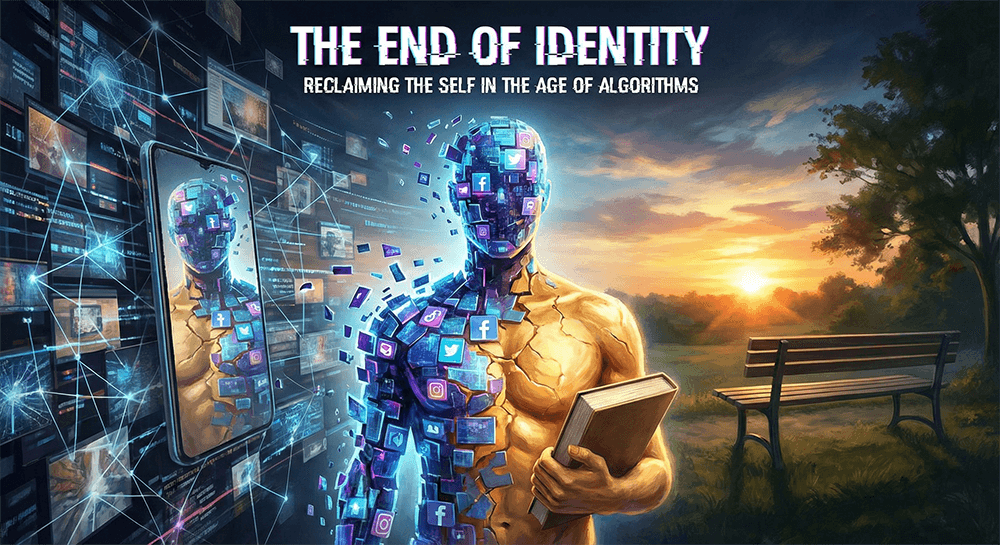


We spend a great deal of energy trying to outrun the darker parts of ourselves. We hide our fears, suppress our anger, and bury our shame, hoping that if we ignore these “inner monsters” long enough, they will simply vanish. But as the Swiss psychiatrist Carl Jung famously noted, “what we resist, persists”. These shadowy aspects of our psyche don’t disappear; they retreat into the unconscious, influencing our behaviors and relationships in ways we often fail to recognize.
To find true peace, we must stop fighting these forces and start understanding them. Whether they manifest as a whisper of self-doubt at 3 a.m. or a surge of rage when a relative asks a prying question, these monsters are not enemies to be defeated, but aspects of ourselves to be integrated.
The Landscape of the Inner Mind
Our inner monsters are often born from a fundamental need for survival or protection. Understanding their origins is the first step toward taming them.
Fear and Anxiety: The Misguided Protectors Fear is a primal survival mechanism designed to alert us to physical danger. However, in the modern world, this instinct often malfunctions. Instead of protecting us from predators, it fixates on uncertainties regarding our careers, relationships, and social standing. Anxiety is the lingering anticipation of that peril a monster that feeds on the unknown. While overwhelming, these emotions are often signposts pointing toward what we value most. The goal isn’t to eliminate fear, but to use mindfulness to coexist with it, recognizing it as a messenger rather than a master.
Anger: The Messenger of Boundaries Society often teaches us that anger is a destructive force that must be suppressed. In reality, anger is a necessary emotional response to perceived injustice or crossed boundaries. When we repress anger, it festers, turning into resentment or passive aggression. Taming this beast requires distinguishing between the emotion (anger) and the behavior (aggression). When channeled constructively, anger can be a powerful catalyst for change and a tool for asserting necessary boundaries.
Guilt and Shame: The Hidden Tormentors While often used interchangeably, guilt and shame are distinct. Guilt focuses on actions (“I did something wrong”), serving as a moral compass to help us make amends. Shame, however, is far more insidious; it focuses on identity (“I am wrong”). Shame thrives in secrecy and convinces us we are unworthy of connection. Healing requires self compassion,treating ourselves with the same kindness we would offer a friend—and realizing that our worth is not defined by our mistakes.
The Comparison Trap: Envy and Greed We live in a world that amplifies comparison, often triggering the “green-eyed monster” of envy. Envy stems from a scarcity mindset, the fear that someone else’s success diminishes our own. This is frequently exacerbated by social media, where we compare our internal struggles to someone else’s curated highlight reel. The antidote is shifting toward gratitude and defining success on our own terms, rather than chasing an illusion of perfection.
When Inner Monsters Meet Outer Relatives
If the inner mind is a landscape of shadows, family gatherings are where those shadows come out to play. Our relatives have a unique ability to trigger our deepest insecurities because they have known us, and our “scripts”, since the beginning.
The Cast of Characters Family dynamics often feature archetypes that act as external triggers for our internal struggles.
- The Anxiety Activator: This is the relative who, often with good intentions, asks the questions that target your deepest insecurities, such as “When are you going to settle down?” or “How is that job search going?”
- The Provoker: This relative, perhaps a brother-in-law or uncle, thrives on debate. Their unsolicited opinions on politics or your life choices can ignite your latent anger.
- The Comparison Queen: The cousin whose life seems flawless, perfect job, perfect partner, perfect vacations. She triggers the envy monster, making you feel like you are falling behind in the race of life.
Navigating the Family Dynamic The tension we feel with family often stems from “invisible scripts”, expectations handed to us in childhood about what a successful life looks like. When we deviate from this script, we experience toxic guilt, fearing we have disappointed those we love.
To survive the dinner table without losing your sanity, you must apply the same tools used for inner healing:
- Set Boundaries with Compassion: Boundaries are not walls; they are bridges that allow for healthy connection. It is perfectly acceptable to say, “I’d prefer not to discuss my relationship status right now,” or “Let’s talk about something else”.
- The Power of the Pause: When a relative provokes you, do not react immediately. Take a deep breath to regulate your nervous system. This pause gives you the space to choose a response rather than reacting out of instinct.
- Use Humor and Redirection: Humor is a powerful diffuser. If probed about why you are single, a lighthearted comment like “I’m just waiting for a Netflix show to cast me as their next star” can deflect the pressure without creating conflict.
- Drop the Rope: You cannot “fix” your family. Letting go of the need to control their behavior or opinions is liberating. Accept them as beautifully imperfect humans, just as you are.
The Path to Integration
Ultimately, the journey of self-discovery is about moving from fragmentation to wholeness. It is about realizing that we are complex beings capable of both light and dark.
We must embrace our inner monsters not as enemies, but as teachers. Fear teaches us what we value; anger teaches us where our boundaries lie; and envy teaches us what we desire. By integrating these aspects of ourselves, we build resilience, the confidence that we can face hardship and remain intact.
Perfection is a myth. Whether we are dealing with our own psyche or a chaotic family reunion, the goal is not to be flawless. The goal is to be authentic, to practice self-compassion, and to keep moving forward. Your monsters aren’t here to defeat you; they are here to help you become fully human.